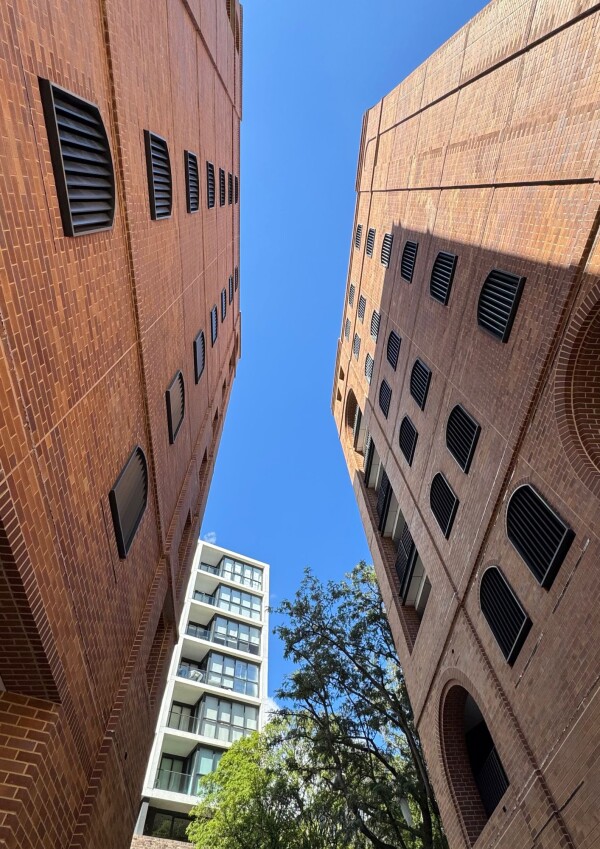
 The Cowper Street Housing project in Glebe, NSW, is a powerful example of how construction can deliver more than just buildings—it can create opportunity. Delivered by Homes NSW in partnership with The King’s Trust Australia, the project combines innovative, low-carbon design with meaningful social impact, helping young people build pathways into the construction industry through training, mentoring, and real on-site experience.
Transforming a former 19-dwelling site into a vibrant, high-density community, the development supports long-term liveability, sustainability, and social inclusion—demonstrating how the built environment can also help build futures.
Requirement
Johnson Pilton Walker (JPW) was tasked with designing a redevelopment that increased capacity from 19 dwellings to 70 apartments and five terraces. The design needed to respect the surrounding historic character while incorporating passive design principles, long-term adaptability, and low operational energy use.
Alongside these technical and architectural goals, the project also aligned with broader social objectives—supporting employment pathways and skills development for emerging workers entering the construction industry.
A key technical requirement was maintaining the durability of the brick façade. Effective cavity ventilation and drainage were essential to prevent moisture build-up, reduce mould risk, and protect building longevity, while also ensuring pest exclusion.
Approach
Kane Constructions delivered the project using cross-laminated timber and precast concrete structures, incorporating Australian plantation pine. Two eight-storey apartment buildings feature red-brick façades and metal-framed windows, referencing the area’s industrial heritage.
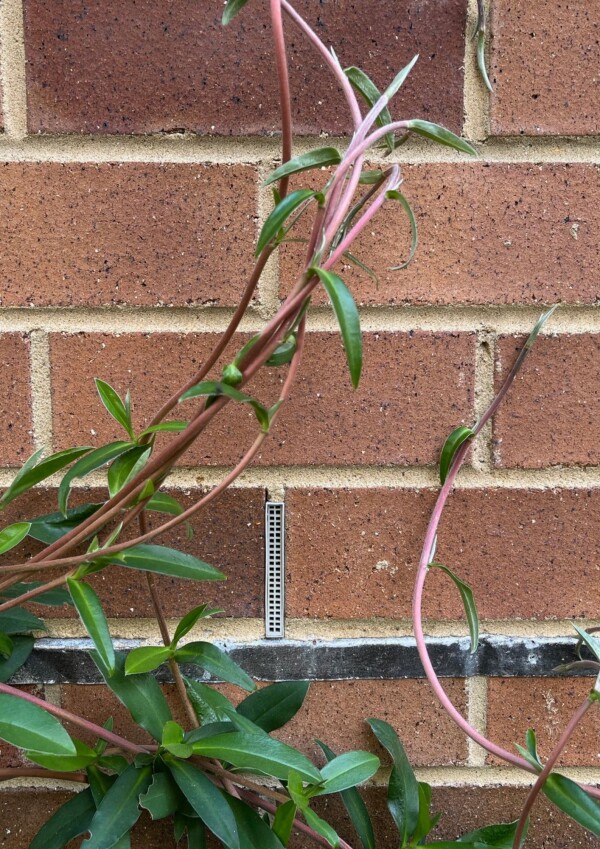 The development integrates climate-responsive design, including thermally efficient brickwork, solar power, rooftop gardens, and shaded outdoor spaces. While these features enhance liveability, they also increase the risk of moisture accumulation in wall cavities due to reduced solar exposure and increased humidity from landscaping.
Weepas were installed to provide continuous cavity ventilation and drainage. By enabling airflow and facilitating the release of trapped moisture, the system helps maintain dry wall cavities, improving durability and indoor environmental quality without compromising façade aesthetics. Additionally, built-in pest exclusion features prevent ingress through weep holes, further supporting hygienic and healthy building conditions.
Importantly, the project also created opportunities for emerging construction workers, supported through The King’s Trust Australia’s employment and training initiatives. Through exposure to real construction environments, mentoring, and practical experience, participants were able to build skills while contributing to a live project—linking quality construction outcomes with meaningful workforce development.
Result
Cowper Street Housing sets a benchmark for high-quality, future-focused social housing. The project demonstrates how sustainable density can be successfully integrated into established neighbourhoods while delivering lasting community benefit.
Shortlisted for the 2026 NSW Architecture Awards, it showcases thoughtful design, construction efficiency, and long-term performance. The integration of effective moisture management solutions, including Weepas, contributes to the resilience and longevity of the development.
Just as importantly, the project leaves a social legacy—supporting the next generation of construction professionals through pathways created in partnership with The King’s Trust Australia and simultaneously providing as many as 75 social housing dwellings. By combining sustainability, design excellence, and opportunity creation, Cowper Street Housing highlights the broader impact the construction industry can have on both the built environment and the people within it.
Architect: Johnson Pilton Walker (JPW)
Client: Homes NSW & The King’s Trust Australia
Design & Construct: Kane Constructions
Delivery Architect: Group GSA
Photography: Steven Dunbar and Margo Lanagan